Service
Turnkey footwear online store development
Shoes are tried on, not scrolled through, and the buyer is afraid of ordering the wrong size. The question of how they actually fit lands in your messages every day. Every return is handled over the phone and eats half a manager's day.
What's included
A footwear store — where size decides a sale or a return
Size charts and conversion
- EU / UA / US size charts — built into the product page, separately for men's, women's, and children's footwear. The buyer sees their size in a familiar system and cross-checks it against others without opening third-party sites.
- Width and fit — for brands with several last shapes or widths (narrow / standard / wide), we surface these as variations. The buyer picks a specific combination and sees the stock.
- Size as a variation — one product, several SKUs: size 39, 40, 41 — each with its own stock and price. If a size is out, it's marked "out of stock," not hidden. Buyers can subscribe to a back-in-stock alert.
Product photos and presentation
- 360° photos — a rotation plugin: the buyer spins the pair themselves and inspects the sole, stitching, and hardware. For footwear it's the closest thing to trying it on by eye.
- On-foot / on-model photos — a separate gallery of shots tied to the model's size. The buyer understands the real scale and fit.
- Zoom and detail — hover the cursor or touch the screen and the photo area magnifies. Important for leather, textured materials, and hardware details.
Seasonal collections and stock
- Collection structure — this season's new arrivals, core items, an archive with discounts. Separate landing pages for clearing seasonal stock (fall/spring) are set up in the admin panel without a developer.
- Time-limited promotions and discounts — a sale countdown, "New" / "Sale" / "Last size" badges on the product page. Managed by the content manager.
- A Merchant Center feed with seasonal tags — Google Shopping and Meta Catalog get up-to-date prices and stock, including discounted clearance items.
Payment and delivery
- LiqPay and Fondy — Visa/Mastercard cards, Apple Pay, Google Pay, installment payments (Monobank, PrivatBank). Switching providers is a setting, not a code rewrite.
- Nova Poshta API — choose a branch or address delivery right in checkout, track the parcel in the buyer's account, automatic SMS on status changes.
Returns
- An in-account returns flow — a separate form: the buyer picks the item, states the reason (wrong size / defect / not as described), and uploads a photo. The request status updates automatically. The legally required 14-day return window is accounted for in the checkout flow.
- Return rates in footwear are higher than in clothing — and we say so at the brief. A convenient returns flow doesn't increase returns: it eases the load on support and builds trust in the store.
Inventory and integrations
- Stock sync with 1C/CRM — a two-way exchange: a sale means minus in 1C, receiving a batch means plus in the catalog. No manually keeping two databases.
- Import from Excel or a supplier feed — if there's no 1C, we load the first batch from a spreadsheet or XML feed; the template and training are in scope.
- Google Shopping and Meta Catalog — an automatic XML/JSON feed with up-to-date prices, sizes, stock, and discounts.
Case studies
Launched stores with traffic and orders
 Studio website
apricode.agency
3D website people remember after the first visit
View project 3D showroom
Tesla
3D showroom that sells the car before the test drive
View project Promo site
Coca-Cola
Holiday promo site that spreads the brand from chat to chat
View project SaaS platform
Peleus
Marketing SaaS platform with its own AI engine
View project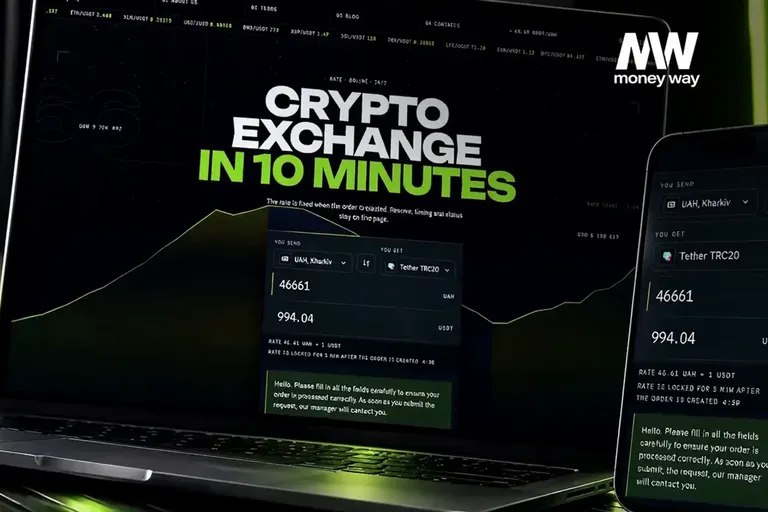 Crypto exchange website
MW Exchange
Crypto exchange website where orders start on the first screen
View project Finance website
Vela Group
Financial company website that builds trust from the first screen
View project
How we work
Launching a footwear store — first payment in 6-8 weeks
Brief and specification
Half an hour on Zoom and we know: how many SKUs, which size systems (EU/UA/US or several at once), whether there's width, what's happening with 1C/CRM, and how you run seasonal clearances and returns. We put it all in writing. Deliverable: a spec — a page map, features, integrations, a budget range, and a timeline.
Design
We design the catalog, the product page — with the size chart, 360° photos, and variations — the cart, checkout, and the account with the returns flow. Three rounds of revisions already in the budget. Deliverable: approved desktop and mobile layouts plus a fixed price for the whole scope.
Development and catalog population
We work in parallel: we write the code while your content manager uploads products from our template — or we take on the first batch. We deploy to staging weekly: progress is visible in the browser, not in reports. Deliverable: a store on staging with real pairs, size charts, and working integrations.
Integrations and testing
We connect LiqPay/Fondy, Nova Poshta, and 1C or CRM — and run live transactions: a real payment, a size choice, tracking, a return through the account. Deliverable: a signed test report; the payment, decline, return, and wrong-size scenarios verified.
Launch and handover
We migrate content from the old site (if there is one), set up redirects, and connect GA4 and Google Merchant Center. Deliverable: a live footwear online store, a guide for the content manager, and 30 days of free support.
Numbers
years in business
SKUs in the catalog
weeks — average launch time for a footwear store
FAQ
Questions before launching a footwear store
Let's talk
Launching a footwear store? We'll cost it in 30 minutes
- 30 minutesOne-on-one online
- Flexible formatVideo or phone call
- Solution-focusedPractical answers

More detail
A turnkey footwear online store: what sets a store that sells apart from one that gets returned
A footwear online store is a niche with one of the highest return rates in e-commerce. The cause is almost always the same: the buyer didn't understand the size before purchase. Not because they read poorly — because the product page didn't give enough information. Size 40 in one brand can be a 26 cm foot, in another 26.5. And if the product page has only the number "40" with no EU/UA/US chart and no way to compare in centimeters, the return is already built into the sales funnel.
We build footwear online stores so the size information is the first thing the buyer sees on the product page — before the price and the "buy" button. The EU / UA / US chart opens right on the page, with no jump to a separate one. Separate charts for men's, women's, and children's footwear, tied to categories. If a brand has several width options, we surface them as variations rather than burying them in the description.
Photo content matters more for footwear than for clothing — because footwear is chosen by the details. The buyer wants to see the sole, the stitching, the color of the metal hardware in daylight. 360° photos (12-18 frames per item with rotation) give that feel without trying it on. On-foot or on-model shots captioned "the model in the photo wears size 39" answer one more question — the real scale. We connect these features within the standard scope of the corresponding feature, not as "post-launch add-ons."
The seasonal rhythm in footwear is tighter than in clothing: new collections twice a year, and last season's stock needs its own promo mechanics. In the admin panel your content manager, with no developer, launches a clearance landing page for specific categories and sizes, sets discounts and countdowns, and turns on "Last size" badges for SKUs with 1-2 pairs left. The Google Merchant Center feed updates the reduced prices automatically — the ad account immediately shows the current items. Cost your store →
The returns flow in a footwear store is no small matter. The return rate in this niche is objectively higher than in most other categories. A well-designed returns process doesn't increase the number of returns — it shifts them from support calls to self-service. The buyer goes into their account, picks the item, states the reason, uploads a photo — and the status updates without your manager. The legally required 14-day return window is built into the checkout flow and shown on every product page. Post-launch support →
You build a footwear online store once — but it has to perform across several collections in a row. So at the brief we ask not only about today's range but about your plans: a children's line, new brands, B2B for wholesalers, new markets. The structure we lay down has to handle that growth without a rebuild. Tell us the task — in 30 minutes we'll say what it takes to launch your footwear online store: let's talk