Service
Website development, turnkey — from brief to release
The site was built a few years ago, and now every small edit runs into a contractor who is no longer around. Clients call to ask things the page should have answered. You open it on your phone and cannot find what you need either.
What we do
Website types — chosen for your task, not for the price tag
- Landing page and one-page site — quick start
One page, one goal: a lead, a pre-order, an event signup. Launches fast, easy to test with ads. Or a few pages — services, about, contacts — for a basic Google presence.
Good fit: validating demand before investing in a bigger site; a freelancer, a small studio, a local business without a catalog.
- Corporate website — a B2B asset
A structured site with sections, a blog, case studies, CRM integration, and forms for different scenarios. Builds trust and organic traffic. The most common format for B2B.
Good fit: a company with a service list, case studies, and a team that needs a site that generates leads.
- E-commerce store and web app
Catalog, cart, payments, delivery, inventory — from a 50-product store to tens of thousands of SKUs. Or a site with custom logic: customer portals, roles, calculations, dashboards, LMS. This is no longer "pages" — it's a product.
Good fit: e-commerce with PrivatBank, LiqPay, Monobank, Nova Poshta integrations; products built on Node.js + React.
Prices
How much a turnkey website costs and what drives the price
The price follows the number of pages, the depth of design and how many integrations you need. That is why the low end of the range is a template with your content, live in a week. The high end is a custom layout, our own CMS and a link to payments, stock and CRM.
- 01Express landing pageOne screen, template, your content, live in a week8 200 ₴ – 49 200 ₴$199 – $1 2003–14 days
- 02Corporate website5–30 pages, custom design, CMS36 500 ₴ – 143 500 ₴$890 – $3 5003–8 weeks
- 03Online storeCatalogue, cart, payments, integrations78 000 ₴ – 307 500 ₴$1 900 – $7 5005–12 weeks
| Type | Price, ₴ | Price, $ | Timeline |
|---|---|---|---|
01 Express landing page One screen, template, your content, live in a week | 8 200 ₴ – 49 200 ₴ | $199 – $1 200 | 3–14 days |
02 Corporate website 5–30 pages, custom design, CMS | 36 500 ₴ – 143 500 ₴ | $890 – $3 500 | 3–8 weeks |
03 Online store Catalogue, cart, payments, integrations | 78 000 ₴ – 307 500 ₴ | $1 900 – $7 500 | 5–12 weeks |
Web apps and SaaS are quoted separately — from ₴184,500 and 7–20 weeks of work. We name the exact figure for your project after the brief and the specification, before development starts.
Estimate your projectCase studies
No mockups here. Live websites with real traffic
 Studio website
apricode.agency
3D website people remember after the first visit
View project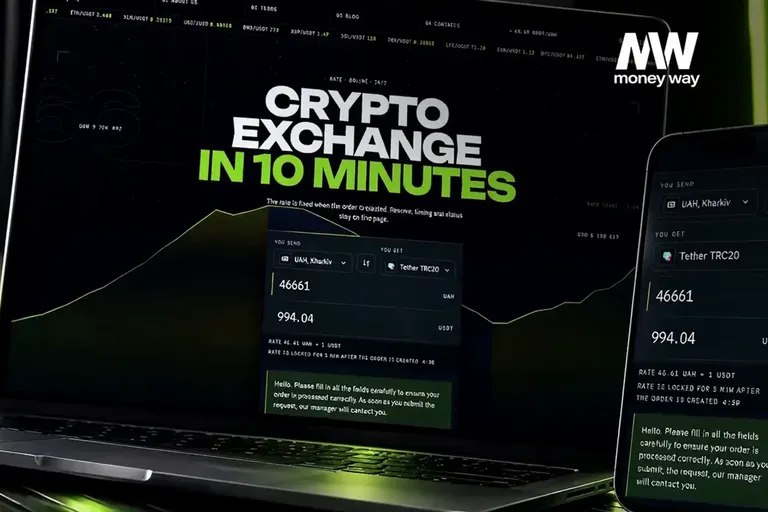 Crypto exchange website
MW Exchange
Crypto exchange website where orders start on the first screen
View project 3D showroom
Tesla
3D showroom that sells the car before the test drive
View project Promo site
Coca-Cola
Holiday promo site that spreads the brand from chat to chat
View project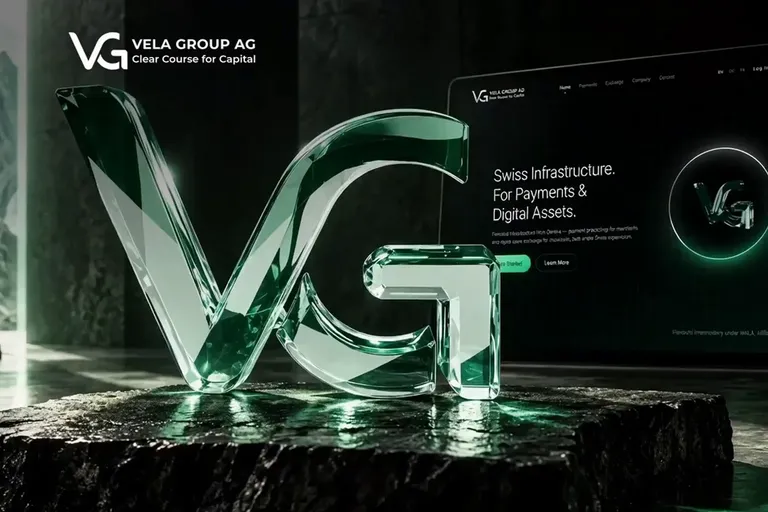 Finance website
Vela Group
Financial company website that builds trust from the first screen
View project Print shop website
Print Pack
Print shop website that takes quote requests from any page
View project
Niches and formats
Websites built for your industry
An online course platform and a dental clinic site run on completely different logic, integrations, and payment flows. Over 10 years we've built ready-made approaches for specific industries, so we're not reinventing the wheel every time.
- Student portal: schedule, materials, and progress in one place
- Course payment on-site — LiqPay, Stripe, Monobank
- Automatic access after payment, no manual confirmation
- PDF certificates generated automatically
- School admin panel: courses, students, payments — no developer needed
Recommended stackNext.js + Payload
Apros CMS included
Our own admin panel — no rental fees, no per-user subscription
30 days of support after launch
Fixes and questions in the first month — free of charge
Stack chosen for the task, not for trends
Decided at the brief: WordPress, Next.js, or a custom build
Grows without a rebuild from scratch
Architecture that handles new sections and integrations
What's included
Turnkey development — design, code, and launch in one contract
A turnkey website means you won't need three more contractors after release to make it actually work
- Design in Figma with a design system: sitemap, wireframes, UI mockups for desktop, tablet, and mobile. Three rounds of revisions included in the budget.
- Front-end and code built on the chosen stack: Next.js, Node.js, WordPress — decided at the brief, not out of habit.
- Integrations: local payment providers, delivery services, CRM, and Helsi for medical centers.
- A CMS where your content manager works like in a regular editor — no HTML, no "call the developer."
- Content population, migration from your old site, redirects.
- Analytics and Google Search Console — connected at launch, not "later."
- An editor's guide plus 30 days of free support after launch.
- Node.js
- React
- Next.js
- Python
- WordPress
- WooCommerce
- Payload
- Strapi
How we work
Five steps from brief to release — no surprises
Brief
30 minutes on Zoom. We cover what you already have, what you need, and which site type actually solves the task. We record the call and send notes the same day. Deliverable: call notes plus a ballpark budget and timeline.
Design
Sitemap, wireframes, then UI mockups for desktop, tablet, and mobile. We validate the logic before drawing anything pretty. Three rounds of revisions included. Deliverable: final mockups, a design system, and a fixed quote for the full scope.
Development
We build on the chosen stack: Next.js, Node.js, WordPress — as decided at the brief. Weekly staging deploys — you see progress in the browser, not in screenshots. Deliverable: a working staging site, integrations (payments, delivery, CRM), and populated content.
Testing
We test on real devices, run Lighthouse, and verify forms and payments with live transactions. We fix everything before showing clients. Deliverable: a test report covering speed, accessibility, and mobile performance.
Launch
Migration from the old site, redirects, Google Search Console and analytics setup. Deliverable: a live website, an editor's guide, and 30 days of free support.
FAQ
Questions people ask before starting — and straight answers
Let's talk
Tell us the task — we'll tell you which website you need

Learn more
Website development, turnkey: types, technologies, and stages
Building a website means assembling a tool that will still work for the business a year from now — not "making it pretty." Over 10 years and 500+ projects shipped, we've learned that good website development starts with choosing the right site type. Landing page, one-page site, corporate website, e-commerce store, web app — five different tasks, and picking the wrong type costs more than any technical mistake. That's why we start every website project by breaking down the task, not by picking an engine.
We choose the technology for the task, not out of habit. A web app with custom logic — Node.js and React. A content site edited by hand often — WordPress: a solid tool we support just like the rest of our stack. An e-commerce store — depends on scale, from WooCommerce to a headless solution. The question isn't "which engine is better," it's "which one solves your case more cheaply and reliably." Anyone promising "one true platform for everything" is selling a habit, not a solution. Headless CMS →
Turnkey website development means you get a live website, not a folder of files. It includes design in Figma with a design system, front-end, code, integrations with local payment providers, delivery services, CRM, and Helsi for medical centers, content population, migration from the old site with redirects, analytics, and Google Search Console. A turnkey website means you won't need three more contractors after release to make it work. Web design →
A word on niches, because templates don't work here. An online course platform needs an LMS and payment processing; a real estate site needs a filterable catalog with a map; a medical center site needs appointment booking and a Helsi integration. Building a website that accounts for your industry's specifics is cheaper than reworking a generic template later to fit real-world scenarios. Ready-made approaches for education, healthcare, real estate, hospitality, and law firms are in our services section. All services →
A separate track worth mentioning: AI. Since 2023 we've been adding Telegram bots, AI assistants, and chatbots with database connections to websites — built on Node.js, through the OpenAI or Anthropic API. Sometimes a business doesn't need a website at all, just a bot to capture leads — in that case, we'll honestly recommend an AI solution instead of selling you a website you don't need. AI solutions →
Here's how it works in practice: five steps — brief, design, development, testing, launch. Weekly staging deploys, testing on real devices, 30 days of free support after release. Price depends on the site type and scope — run your own case through our cost calculator. To sum up: turnkey website development means you arrive with a task and leave with a live website, an editor's guide, and one contractor for the whole cycle instead of three. Tell us the task — in 30 minutes we'll tell you which website you need and roughly what it will cost: book a call →