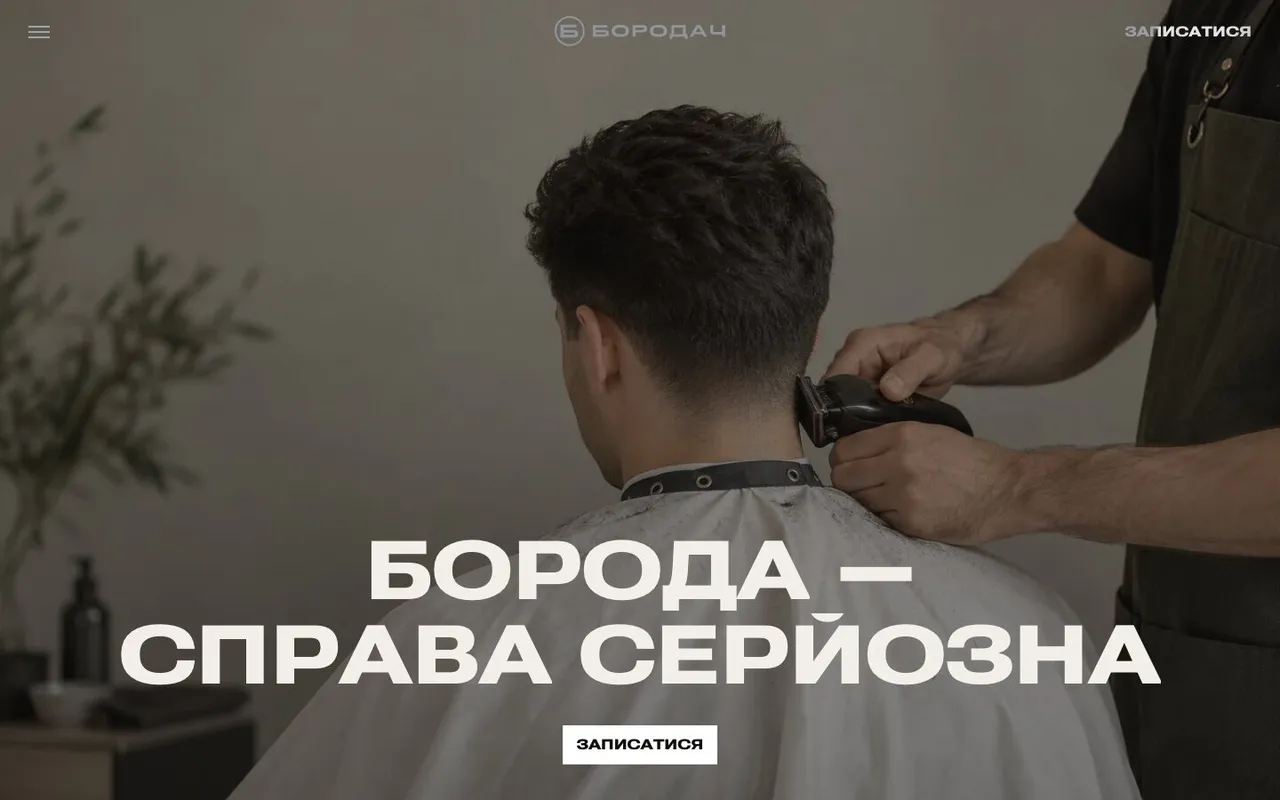
A brochure website, sometimes called a brochure website, is the permanent online home of a small company, a specialist or a private practice. Unlike a campaign landing page, it isn't tied to one launch. People arrive from search, maps, a referral, social media or a business email and see your current services, reasons to trust you and contact details. Brochure website development makes sense when the content really fits on a few pages, with no catalog, user accounts or complex booking hiding behind them.
More about the service
What a brochure website can do
Up to five core pages are enough to explain your offer, briefly introduce the company, show examples or other proof and give people a clear way to get in touch. Contacts can include a phone number, a messenger, an address, opening hours and a map if your business needs them. Editable fields let you update the texts, photos and contact details we agree on. The small size doesn't lock the design into a template. We build the look around your brand and the real materials you have.
What the $499 starting price includes
A turnkey brochure website starts at $499. That covers up to five pages, a custom design, responsive development, a basic contact method and one language version, with your materials ready. Before launch we check the key links, forms and how the pages look with final content, and at handover we explain how to update the site. A second language, copywriting, photo shoots, complex animation, external integrations and moving a large amount of content are priced separately. That's why the cost of a brochure website depends on what goes into the pages more than on the number of menu items.
What to prepare
For a first estimate we need a list of services, a short description of the business, contact details, the brand materials you have and the proof you can publish. It helps to say up front what will change after launch: prices, team, photos, address or specific blocks. Your team provides or approves the facts and materials and names the person who signs off. If there are no texts or photos yet, we plan them as separate work.
A brochure website fits when you have a few services aimed at similar audiences and visitors need the basic answers and a way to contact you. A separate ad offer works better as a landing page. A company with several lines of business, case studies, a team, job openings and regular posts needs a corporate website. A catalog, cart, user accounts or automated booking change the type of project, and the estimate changes with it.
How we build the structure
We don't fill five pages just to reach the number. Each one answers its own question: how the business helps, which services are available, why people can trust it, who's behind the work and how to get in touch. Information that repeats goes into shared blocks, and important conditions sit next to the service they apply to. That way a brochure website gives a short but complete picture, and nobody has to hunt for contacts or terms.
What the timeline depends on
Once the structure and materials are agreed, we set the stages: prototype, design, development, content, testing and launch. The timeline depends on how ready your texts and photos are, the number of unique pages, how fast approvals come, languages and integrations. If materials arrive in parts, we plan around that. We give the exact timeline after the estimate and don't replace it with a one-size-fits-all promise.
What your team gets after launch
You get a working site in the agreed scope, access to the systems included in the project and an explanation of which fields you can edit. We check contact details, forms and the main links before launch. Regular technical updates, new pages and further development can go to separate website support. If you haven't chosen how to manage content yet, we pick the platform based on the changes you expect to make.
After handover, it's worth naming someone to keep an eye on phone numbers, opening hours, prices and whether services are still current. A small site loses its value fast when a contact no longer works or a page describes old terms. We show you in advance where this data is changed and keep routine editing apart from technical work.
You can also order a brochure website for a new business that has no brand identity yet. In that case we define a minimum set of brand materials: the name, a logo or wordmark, colors, a font direction and photo rules. This affects the design scope, so it shows up in the estimate from the start and doesn't surface as a hidden task after kickoff. We also agree in advance who supplies the final files and approves their use.