Service
Web design and UI/UX design for websites
People reach the form and do not fill it in. On a phone half the buttons only respond on the second tap. Next to a competitor's page yours looks a few years older, and you can see it yourself.
By the numbers
years in business
projects in our portfolio
design system on every project
Our work
Design that's already running in production
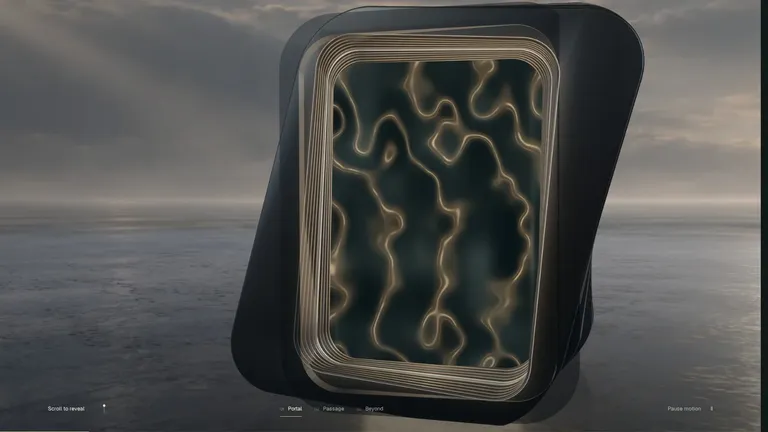 Studio website
apricode.agency
3D website people remember after the first visit
View project 3D showroom
Tesla
3D showroom that sells the car before the test drive
View project Promo site
Coca-Cola
Holiday promo site that spreads the brand from chat to chat
View project SaaS platform
Peleus
Marketing SaaS platform with its own AI engine
View project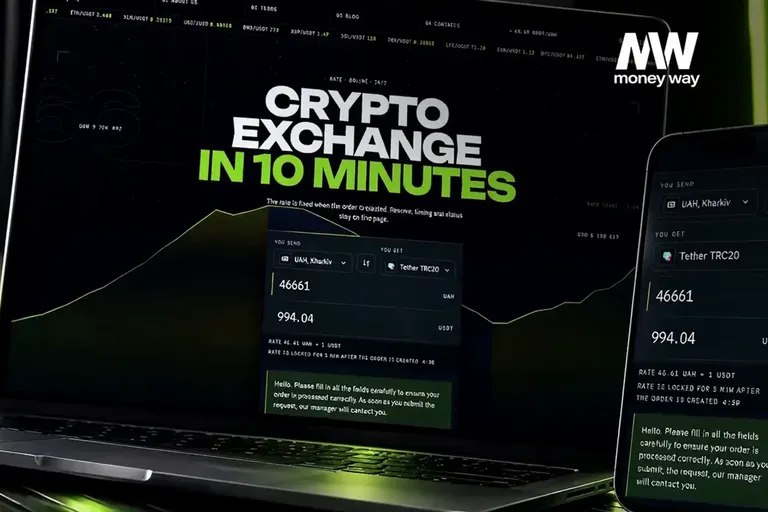 Crypto exchange website
MW Exchange
Crypto exchange website where orders start on the first screen
View project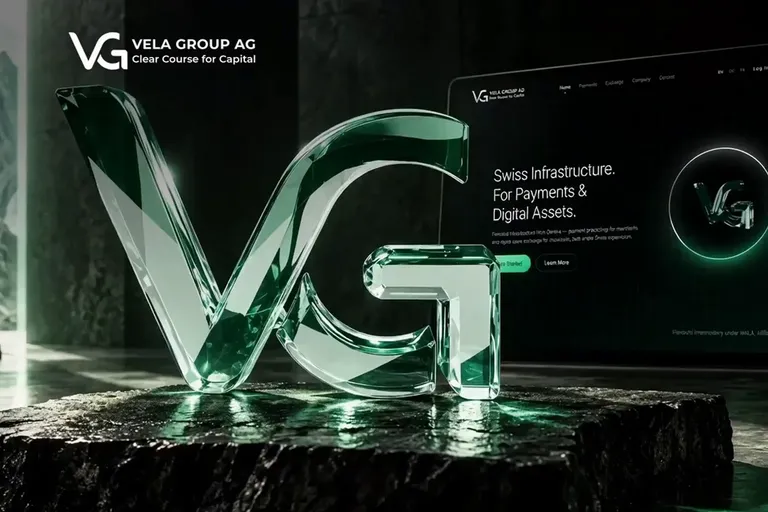 Finance website
Vela Group
Financial company website that builds trust from the first screen
View project
What we do
UI design, UX, and redesign — built around your task
- UI design for sites and landing pages
Interfaces for corporate sites, online stores, landing pages, and SaaS products. Carefully worked typography, a component library in Figma, and a design system for your developer.
A good fit if you have a new project or need a site built from scratch.
- UX and research
User behavior analysis, wireframes before the polish, and logic checks before code. A usability audit of an existing site finds where conversions are lost and tells you what to fix first.
A good fit if you already have a site that isn't converting the way you'd like.
- Website redesign
A separate track: audit the current site → decide what stays → what changes → new layouts. Not "we'll redraw everything" — we find the smallest set of changes with the biggest effect.
A good fit if the site has aged, or was already behind competitors at launch.
How we work
Five design steps. The finish line is handoff to developers
Research
A competitor audit, analysis of behavior on the existing site (if any), and a breakdown of the task and target audience. Deliverable: a research brief + an audience map + a list of key user scenarios.
Prototype
Wireframes in Figma — page structure and navigation logic. We confirm the site "thinks correctly" before we start drawing. Deliverable: an approved prototype + sitemap.
UI layouts
Design for desktop (1440px), tablet (768px), and mobile (375px). Two directions at the start — the client picks one. Deliverable: final layouts for three breakpoints + three rounds of edits included in the budget.
Design system
A component library in Figma: typography, colors, spacing, buttons, forms, cards, icons. Deliverable: a Figma design system + a guideline for content editors.
Handoff
We hand over Figma files, assets, and specs to a developer — yours or ours. Deliverable: Figma files (yours forever), SVG/PNG assets, and a component spec.
What you get
Figma files are yours. Design system included. Three rounds of edits at key stages
On every project
- A Figma file that's yours — no "renting" layouts, no lock-in to our account.
- A design system: colors, fonts, components — documented for your developer and content editor.
- Responsive layouts: desktop / tablet / mobile — three breakpoints minimum.
- Three rounds of edits at each key stage (prototype, UI). Anything beyond that is billed hourly.
- Two UI concept directions at the start — you pick one, we refine it.
- Specs and assets for your developer, in a format they can start coding from right away.
FAQ
What people usually ask before starting
Contact form
Tell us your task — we'll tell you what kind of design you need

More detail
Web design and UI/UX design for sites that drive people to act
Web design isn't aesthetics for aesthetics' sake. Behind every decision about a button color, the width of a spacing gap, or the order of elements sits one question: "does this move the user toward an action?" Over 10 years and 500+ projects, we've seen it firsthand: web design done well is design that converts, not design that racks up likes on Behance. The difference between "pretty" and "working" design is the difference between a showcase site and a business tool. See our case studies →
UI/UX design starts with understanding who's landing on the site and why. UX research, an audience map, competitor analysis — this isn't a "nice to have" step, it's insurance against a structural mistake that's far more expensive to fix later than to get right the first time. Wireframes in Figma lock the logic in place before any polish appears — and this is the cheapest point to change the structure. If "you built the wrong thing" surfaces only once the UI layouts arrive, it usually means the prototype step was skipped or never happened.
Online store design differs from corporate site design the way a sales floor differs from an office. The product card, catalog filters, cart, and checkout each carry their own conversion logic. For clothing stores, size charts and color-variant comparisons matter; for cosmetics stores, ingredients and certificates on the product card; for furniture stores, a measurement callout and installment payment. These details go into the design system from the start — not bolted on later as "a follow-up." E-commerce design →
A design system is the shared language between a designer, a developer, and a content editor. Components, color tokens, a type scale, and form and button states — all described once, so it never needs re-explaining in an email thread again. When a client adds a new page six months after launch, they don't "ask the designer for a font" — they open the library and pick a ready component. We hand over a design system on every project: the Figma file is yours forever, no subscription, no "renting" the layouts.
A redesign is a separate task with its own logic. Not "redraw everything," but find the smallest set of changes with the biggest effect. We start by auditing the current design: where conversion is being lost, what's outdated, and what still works. After the audit, we lock in what stays unchanged — that cuts both budget and timeline. A redesign of a site that already collects organic traffic needs extra care: technical changes shouldn't break what's already ranking. See pricing →
Where we have a measured result, we show it: the conversion lift on our case studies is real and confirmed in analytics, not invented for the portfolio. Where there are no numbers, we write "not measured" — and that matters more than a nice figure no one can later verify. If your web design task is to raise conversion, capture more requests, or sell more from the same traffic, in 30 minutes we can tell you what approach will work for your case and roughly what it will cost: let's talk