Service
Building a school website and an online course platform
Enrolment is running and you collect payments by hand: a transfer, a screenshot, a check against the spreadsheet. Students ask about the schedule and course materials in the chat, each one separately. With the next intake all of it starts over.
Which solution fits you
Three levels for your stage, not for the maximum budget
- Level 1. Course landing page with payment
For whom: an offline school or a first online course. One cohort, first sales, demand validation. Timeline: 2-3 weeks.
Conversion-focused landing page: program, speakers, reviews, FAQEnrollment form + payment (LiqPay, Stripe, Monobank)Basic analytics: Google Analytics + ad pixel
- Level 2. School website with a personal account
For whom: an active school or academy, 1-10 courses, regular cohorts. Timeline: 4-6 weeks. This is a baseline MVP, not "full functionality on a minimal budget."
Multi-course structure: catalog, filters, course pagesStudent account: access to materials, progress, assignmentsScheduling and class enrollmentPayment: one-time, subscription, installmentsAdmin panel for the manager, no code access required
- Level 3. LMS platform with the full learning cycle
For whom: an EdTech business with systematic online learning, webinars, and certificates. Everything from level 2, plus the points below. Timeline: 8-12 weeks depending on integrations.
Video lessons, quizzes, progress by moduleCertificates on completion (automatic)Webinar room or integration with Zoom / Google MeetReferral and affiliate programAnalytics for the instructor: each student's progress
What the platform can do
Features for students and the school — without extra calls to the administrator
Why it matters
- In 10 years we've learned this: a good EdTech platform is one where the administrator doesn't spend 3 hours a day answering "where's my access?"
For students
- Personal account: schedule, materials, and progress in one place
- Course or subscription payment right on the site — LiqPay, Stripe, Monobank
- Automatic access after payment — no manual confirmation
- Progress by lesson and module — you can see what's left
- A certificate on completion — generated automatically, as a PDF
- Class reminders via email or Telegram
For the school
- Admin panel: courses, students, payments, statistics — no developer needed
- Class schedule with enrollment: students pick a slot, the school sees the registrations
- Groups and cohorts: access separated between intakes
- Integration with a webinar room (Zoom, Google Meet, YouTube Live)
- Automated emails: enrollment confirmation, reminders, access after payment
- Affiliate links — referral bonuses credited automatically
What we've already launched
Not slides with mockups. Live platforms with students
 Studio website
apricode.agency
3D website people remember after the first visit
View project 3D showroom
Tesla
3D showroom that sells the car before the test drive
View project Promo site
Coca-Cola
Holiday promo site that spreads the brand from chat to chat
View project SaaS platform
Peleus
Marketing SaaS platform with its own AI engine
View project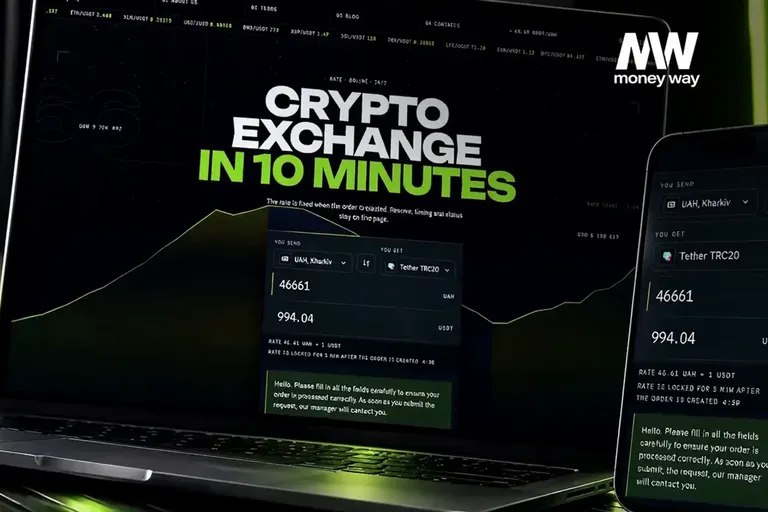 Crypto exchange website
MW Exchange
Crypto exchange website where orders start on the first screen
View project Finance website
Vela Group
Financial company website that builds trust from the first screen
View project
How we work
Five steps — from brief to launching your first cohort
Brief
30 minutes on Zoom. We define the platform level, the number of courses, who enters the content, and the payment model. Often, after the brief, level 3 turns into level 2 — and the budget drops by half. Deliverable: the type of solution, a ballpark range, and timelines.
MVP scenario and architecture
We describe the scenarios for the student and the admin. Sitemap, data model. We spell out what's in the MVP and what's in the second iteration. Deliverable: a technical spec, a list of integrations, and a fixed development price.
Design
Wireframes for the key scenarios: registration, student account, lesson, payment. Then UI mockups. Three rounds of revisions — in the budget. Deliverable: a Figma file, a design system, and mockups for desktop and mobile.
Development and testing
We build the platform: Next.js on the front end, Node.js on the back end. Weekly staging deploys — you see progress in the browser. We verify payments with real transactions. Deliverable: a working staging platform, integrations, and a populated test course.
Launch and first cohort
Release, analytics setup, first student cohort. The first 30 days of support are free. We prepare an admin guide and a short video on managing courses. Deliverable: a live site, the first cohort, and a guide for your team.
FAQ
Questions about school and course websites
Discuss your school
LMS or landing page? We'll tell you in 30 minutes
- 30 minutesOne-on-one online
- Flexible formatVideo or phone call
- Solution-focusedPractical answers

Learn more
A school website and online course platform that grows into an LMS without a rewrite
In our experience, most online school founders take the same path: first, sales through Instagram and Google Forms, then a school website with payment, and a year later — a full LMS with student accounts. It helps when the architecture lets the platform grow from the start without a rewrite from scratch.
A landing page with a "sign up" button is only the first level. An online course school website is the infrastructure that automates three processes: selling the course (course page + payment), access to learning (student account, materials, schedule), and administration (who signed up, who paid, who finished). Without that automation, the school's administrator spends 3 hours a day on manual replies and confirmations — time that could go to content and enrollment.
Technically, we build the online course platform on Next.js for the front end and Node.js for the back end. The student account is a custom build: we don't lock the client into a SaaS builder with a monthly fee that grows along with the number of students. We connect payments through LiqPay, Stripe, or Monobank — depending on the model: one-time payment, subscription, or installments. For webinars, we integrate Zoom or Google Meet with automatic links in the account. Certificates on course completion are generated automatically as PDFs.
A separate note on offline schools: if you have a physical school and want to add an online component or simply move enrollment and payment online, an LMS isn't mandatory. A level 2 school website is often enough: multi-course structure, class schedule with enrollment, student account, course or subscription payment. It's both cheaper and faster — 4-6 weeks versus 8-12 for a full LMS.
For EdTech startups with systematic learning content — video lessons, quizzes, modules, progress — we build a full LMS platform. Students see progress by module, receive a certificate on completion, and can work through a course at their own pace. The school sees each student's statistics and can set up reminders and affiliate links for a referral program. All of it — one platform, one contractor, without stitching together five SaaS services.
Important: building an EdTech platform is not a standard template site. Here you need to design scenarios for different roles (student, instructor, admin), build the data model, and think through what happens if a student pays but doesn't get access. We've done this — student accounts are in our portfolio. Come to a brief — in 30 minutes we'll tell you which level — landing page, school website with an account, or LMS — fits you and roughly what it costs: book a brief